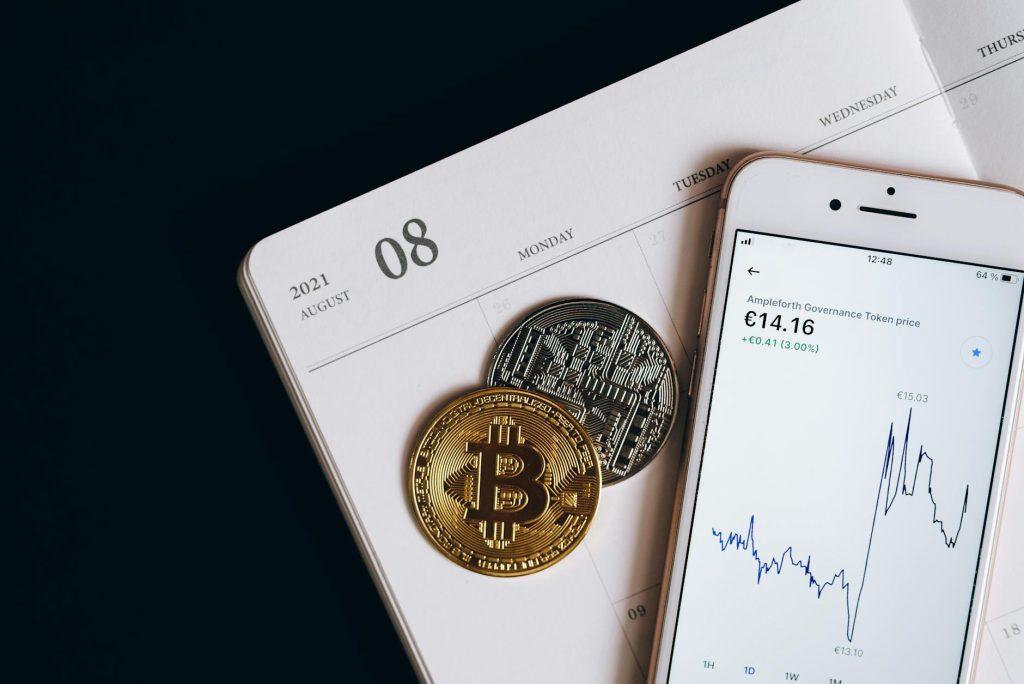

Investing has always been a game of innovation, but the pace has picked up faster than a double-kick drum solo. Today, FinTech is not just a buzzword; it’s the driving force behind a seismic shift in how we approach finance. From automated investment platforms to the wild west of crypto, technology has expanded the playing field.
The Rise of Robo-Advisors: Investing for Everyone
Before the FinTech revolution, accessing professional investment advice often required hefty minimums and a willingness to navigate a maze of financial jargon. Enter robo-advisors. These digital platforms leverage algorithms to build and manage portfolios based on your risk tolerance, financial goals, and time horizon. They’ve democratized investing, making it accessible to those who may not have had the resources or knowledge to work with traditional financial advisors. This innovation allows smaller investors to build personalized portfolios without the high fees.
Robo-advisors typically offer a streamlined, user-friendly experience. You answer a few questions about your financial situation and goals, and the platform generates a diversified portfolio of ETFs or mutual funds. The underlying algorithms automatically rebalance your portfolio and make adjustments to keep it aligned with your objectives. While many seasoned market players still prefer a human touch, these platforms are a low-cost, convenient solution for newcomers and those who prefer a hands-off approach. It’s like having a well-trained, if somewhat emotionless, portfolio manager available at all times.
However, it’s not all sunshine and automated stock picks. While robo-advisors boast lower fees, it is important to understand the trade-offs. The portfolios are typically limited to certain asset classes, and the algorithms may struggle to adapt to volatile market conditions or unexpected economic shifts. Remember, a computer can’t offer empathy or adjust quickly to a crisis like a seasoned human advisor could. So, while robo-advisors bring convenience and affordability to investing, always do your own research or seek financial guidance when making major investment decisions.
Cryptocurrency and the New Frontier
Cryptocurrency, with its promise of decentralization and high returns, is another crucial piece of the FinTech revolution. Digital currencies like Bitcoin and Ethereum have captivated investors and pushed the boundaries of traditional finance. This market, however, is not for the faint of heart. While it offers potential for high rewards, it also comes with enormous volatility and regulatory uncertainty. Cryptocurrency is like being handed a double-edged sword: you could become wealthy or get cut.
Unlike traditional investments, cryptocurrencies often lack the protections and regulations that safeguard investors. The markets are open 24/7, and prices can fluctuate wildly in response to social media trends and global events. Understanding the technology, risk, and regulatory environment is crucial before investing in crypto. Moreover, the emergence of decentralized finance (DeFi) platforms has introduced new opportunities, such as lending, borrowing, and yield farming, reshaping traditional financial services. This is not the time to be a passive observer; the future of finance is changing right now.
Consider the impact on the global economy. For a deeper understanding of the global financial landscape, check out the resources provided by the International Monetary Fund. They offer extensive analysis of how technology impacts global markets.
Algorithmic Trading: Machines Rule the Market?
Algorithmic trading has become increasingly prevalent, particularly among institutional investors. Sophisticated algorithms can execute trades faster and more efficiently than humans, making split-second decisions based on pre-programmed instructions. These algorithms analyze vast datasets, identify market patterns, and execute trades without human intervention. This has led to faster trade execution and reduced transaction costs, but it has also raised concerns about market manipulation and instability.
The speed and complexity of algorithmic trading create challenges for regulators. The potential for flash crashes and other market anomalies increases, and understanding how algorithms affect market dynamics requires sophisticated analytical tools. This high-frequency trading landscape may give larger players an edge over everyday investors. A 2023 report from the U.S. Securities and Exchange Commission details the current regulatory environment. Regulators are continuously working to stay ahead of the curve as technology evolves.
The Future is Now
The FinTech revolution is far from over. Artificial intelligence, blockchain technology, and the Internet of Things will likely continue to reshape the investment landscape, offering new opportunities and challenges. While the rise of FinTech offers a range of benefits, from enhanced accessibility to lower costs, it’s critical to navigate these changes with a healthy dose of skepticism. The best investors combine technology with human judgment and a long-term perspective.
So, get informed, do your research, and don’t be afraid to ask questions. Remember, the market never sleeps, and neither should your vigilance. Stay ahead of the game, and you might just get rich, or at least keep some of your money. One thing’s for sure: it is not the time to be caught sleeping at the wheel.